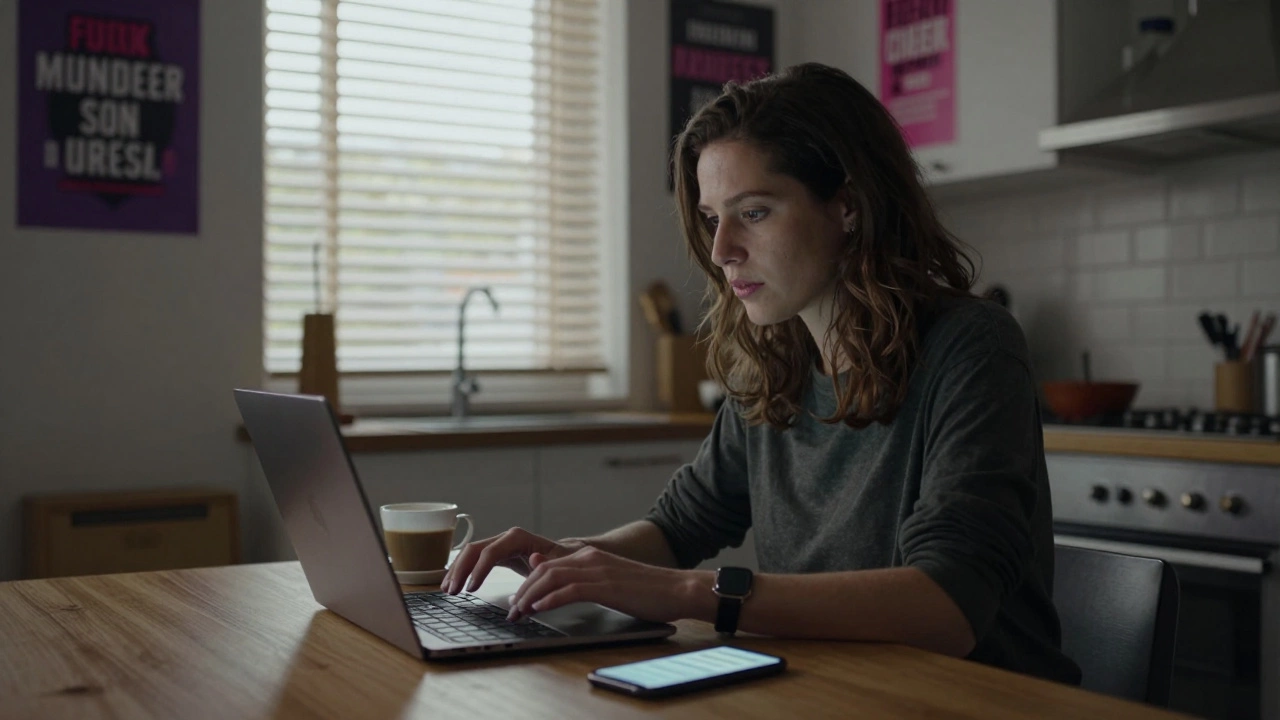
Sex Work is a Battle Front: Rights, Risks, and Realities in Modern France
Sex work isn’t a shadow economy-it’s a live front line where laws, survival, and human dignity collide. In France, where selling sex is legal but organizing it isn’t, thousands of people navigate a system that criminalizes their safety while pretending to protect them. This isn’t about morality. It’s about who gets to decide what work is acceptable, and who gets punished for doing it anyway.
Many turn to online platforms to find clients, avoiding street-based risks. A site d'escort france might list services, availability, and boundaries-details that help workers screen clients before meeting. These aren’t just ads; they’re survival tools. One woman in Lyon told me she spends two hours a day updating her profile, deleting suspicious inquiries, and cross-checking names against community blacklists. That’s not entertainment. That’s risk management.
How the Law Makes Sex Work More Dangerous
France passed the 2016 law that criminalized clients, not workers. On paper, it sounds progressive-punish the demand, not the supply. But in practice, it pushed sex work further underground. Police no longer arrest workers, but they also don’t protect them. If a client threatens violence, reporting it risks exposing your identity, your location, your income. Many choose silence.
Before the law, sex workers could operate in designated zones in cities like Marseille and Lille. Those zones were policed, monitored, and sometimes even had on-site health services. Now? No zones. No oversight. No safety net. Workers are forced to meet strangers in hotels, cars, or private apartments with no witnesses. The result? A 37% increase in reported assaults between 2017 and 2023, according to a study by the French Association of Sex Workers’ Rights.
Who’s Really in Charge?
There’s a myth that sex work is always about exploitation. Sometimes it is. But often, it’s about autonomy. Many workers choose this because it pays better than minimum wage jobs, offers flexible hours, and lets them control their own time. A single mother in Bordeaux works nights as an escort so she can drop her kids off at school in the morning. She doesn’t need pity. She needs legal recognition.
Meanwhile, the real power lies with tech companies and payment processors. Platforms like Instagram and Telegram are flooded with escort annince posts-photos, captions, contact info. But when someone reports one, the account gets deleted overnight. No appeal. No explanation. No recourse. Workers lose income, client lists, and sometimes their entire livelihood in seconds. The platforms don’t care. They’re not liable under French law. The workers are.
The Hidden Economics of Sex Work in Paris
Paris is the epicenter of France’s sex work economy. The city sees over 12,000 unique client interactions per week, according to a 2024 survey by the Paris Institute for Social Research. Prices vary wildly: a 30-minute session might cost €60, while a full evening with travel and accommodation can reach €400 or more. The average hourly rate for independent workers is €85, but after fees for platforms, advertising, and transportation, net income drops to about €50 per hour.
That’s why escort paris tarif is one of the most searched terms on French forums. Workers compare rates, share tips on which neighborhoods are safest, and warn each other about clients who stiff or lie. These aren’t just price lists-they’re survival guides. A worker who charges too little risks being seen as desperate. Charge too much, and you get labeled a scammer. It’s a tightrope walk with no net.
Health, Safety, and the Silence Around It
STI testing is mandatory for workers in some countries. In France, it’s voluntary. Few clinics offer discreet services for sex workers. Those that do are often understaffed and overwhelmed. One clinic in the 13th arrondissement sees 400 sex workers a month-but only has two nurses trained to handle their needs.
Condoms are used in 92% of paid encounters, according to a 2023 field study by Médecins du Monde. But many workers report being pressured to skip protection. Clients who refuse condoms often pay more. Workers who say no risk losing income. Those who say yes risk being called ‘difficult’ or ‘unprofessional.’
There’s no national health program for sex workers. No subsidized testing. No free counseling. Just silence.

What Change Looks Like
Some groups are pushing for decriminalization-not legalization. The difference matters. Legalization means the state sets the rules. Decriminalization means workers are treated like any other self-employed person: taxed, protected, and free to organize.
Groups like STRASS (Syndicat du Travail Sexuel) have run campaigns in Lyon and Toulouse to train workers in legal rights, digital safety, and financial literacy. They teach how to use encrypted messaging, how to document abuse without revealing identity, and how to file complaints without police involvement. These aren’t fringe ideas. They’re practical tools.
Sweden and Norway tried the ‘Nordic model’-criminalizing clients. It didn’t reduce demand. It just made sex work more dangerous. Canada, New Zealand, and parts of Australia have moved toward full decriminalization. Their rates of violence and exploitation dropped. Their access to healthcare improved. Their workers reported feeling less stigmatized.
Why This Isn’t Just About Sex
Sex work is a mirror. It reflects who we value, who we punish, and who we ignore. A nurse who works two shifts to pay rent is praised. A sex worker doing the same thing is called immoral. A freelancer using Upwork to find gigs is entrepreneurial. A sex worker using an online platform is a criminal.
This isn’t about whether you agree with sex work. It’s about whether you believe people deserve safety, dignity, and legal protection while earning a living. If you do, then the current system is failing. Not because sex work is wrong-but because the laws around it are cruel, outdated, and disconnected from reality.
Real change won’t come from protests alone. It’ll come when employers, landlords, banks, and healthcare providers stop treating sex workers like invisible people. When a worker can open a bank account without being denied. When they can rent an apartment without being turned away. When they can call the police without fear.
That’s the battle front. Not the streets. Not the websites. But in courtrooms, city halls, and the quiet moments when someone finally believes they deserve to be protected.