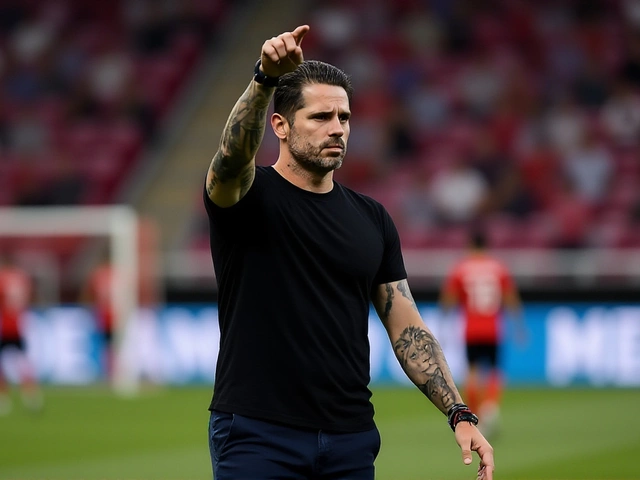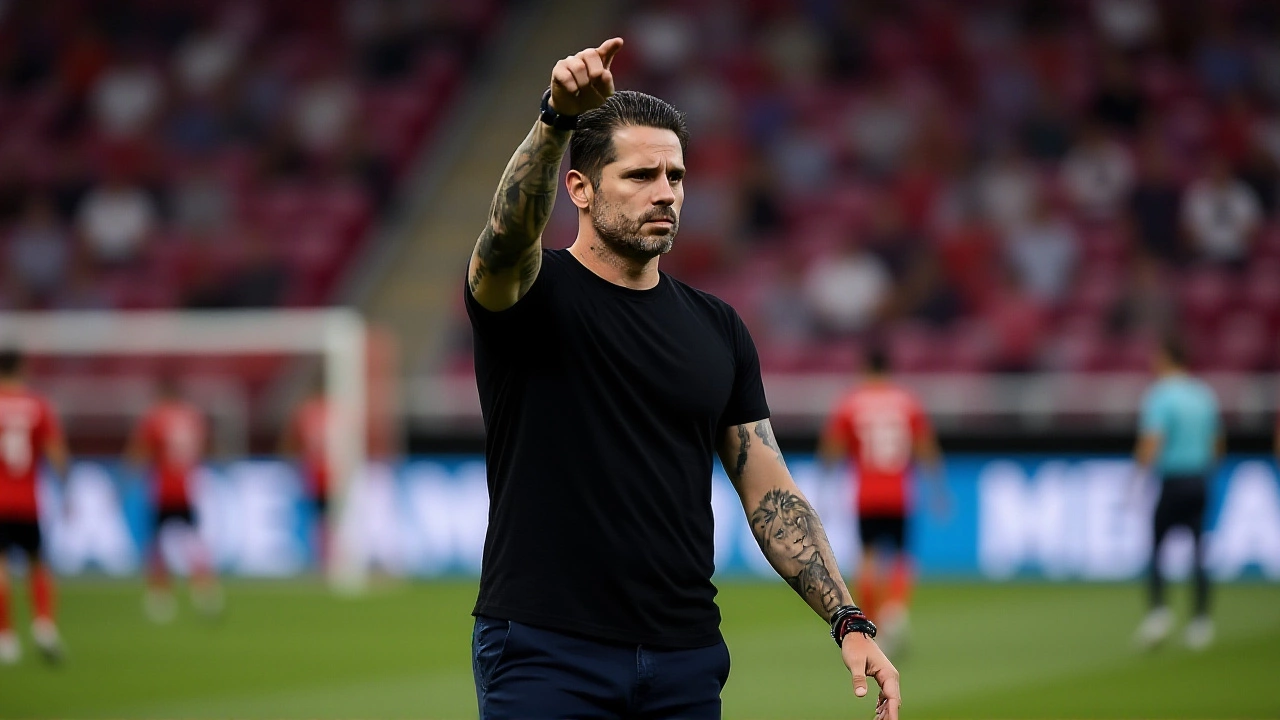
Gabriel Milito Takes Over Chivas Guadalajara Ahead of Apertura 2025, Revives Playoff Hopes
When Gabriel Milito stepped onto the training pitch at Estadio Jalisco on a humid Monday morning in May 2025, the roar from the stands wasn’t just from fans—it was the sound of a club exhaling after months of chaos. The 44-year-old Argentine, born September 7, 1980, in Buenos Aires, had just been named head coach of Club Deportivo Guadalajara, replacing Gerardo Espinoza, whose brief, disastrous tenure ended in April after just six league games. Milito didn’t come with fanfare. He came with a plan, a 3-4-3 system, and the quiet confidence of someone who’s seen the highest levels of the game—both as a player and now as a coach.
A Club in Need of Stability
Chivas hadn’t won a Liga MX title since 2017. Since Matías Almeyda left in 2018, the club has cycled through 11 head coaches—each promising renewal, none delivering consistency. The Clausura 2025 campaign was the final straw: three wins in 17 matches, a defense leaking goals, and a fanbase growing restless. By April, Espinoza was gone. The club scrambled. Reports surfaced that Almeyda, the last coach to bring real momentum, was approached. He declined. The search turned south—to Brazil, to Chile, to Argentina.
Milito, who’d spent the last two years at Atlético Mineiro, was a surprise pick. Not because he was unknown—he’d led Atlético to the 2024 Copa Libertadores final and won the Campeonato Mineiro—but because few expected a foreigner to take the reins of Mexico’s most emotionally charged club. Yet Chivas’ board, led by president José Antonio García, believed his tactical discipline and player-centric approach could rekindle the Rojiblanca identity.
The Milito Blueprint: Freedom Behind the Lines
His first training session didn’t feature high-intensity sprints or tactical whiteboards. It featured defenders—defenders—drilling overlapping runs, receiving passes from midfielders while advancing into the final third. That’s Milito’s signature: a 3-4-3 that turns full-backs into wingers and central defenders into playmakers. He doesn’t ask his backline to clear balls—he asks them to create them.
"We’re not here to defend more," he told reporters after his first press conference. "We’re here to control more. If you give our players space to think, they’ll surprise you." It’s a philosophy rooted in his own playing days: a composed central defender who once played 84 matches for FC Barcelona and earned respect across Europe for his intelligence, not just his tackling.
By October, the results were undeniable. Chivas won three of four matches: a 2-1 away win at Pumas, a dominant 2-0 home win over Mazatlán FC, a gritty 1-0 victory at Querétaro, and a 4-1 thrashing of Atlas. Eight goals scored. Three conceded. A 75% win rate for the month. The team climbed to sixth place with 26 points, all but locking in a playoff berth.
Numbers Don’t Lie
Milito’s coaching record speaks volumes: 306 matches coached, 127 wins, 84 draws, 95 losses. A 50.65% effectiveness rate—above the Liga MX average. In Brazil, he inherited a team in mid-table and turned them into continental finalists. In Chile with O'Higgins, he saved them from relegation. In Argentina, he rebuilt Argentinos Juniors into a disciplined unit. This isn’t luck. It’s methodology.
And the timing? Perfect. The Liga MX Apertura 2025 kicked off on July 19, 2025. Chivas had no coach during preseason. Players trained in small groups. No tactical cohesion. When Milito arrived on May 18, he had just 12 weeks to build chemistry. He didn’t overhaul the squad—he reactivated it. Midfielder Rodrigo Aguirre, who’d been benched under Espinoza, became his captain. Young striker Santiago Giménez, once criticized for being "too selfish," was given freedom to roam. He scored five goals in October alone.
The Shadow of Femenil
But not all is rosy in Guadalajara. While the men’s team surged, the women’s side—Chivas Femenil—remains in turmoil. Spanish coach Antonio Contreras, appointed in November 2025, has drawn criticism despite reaching the Clausura 2025 semifinals. Star forward Alicia Cervantes, who scored a crucial goal against Pumas, publicly questioned his rotation policies. The team lost 2-3 on aggregate to Club América, and whispers of player revolts are growing. Management says a decision on Contreras’ future will come "within days." The contrast is stark: one side rising, the other unraveling.
What’s Next?
Chivas’ playoff run begins in late November. Their first opponent? Likely Tigres UANL or Club León. Milito’s men will be underdogs—but they’re dangerous. His system thrives in high-pressure games. The key? Keeping his defenders disciplined. One mistake in the playoffs, and the entire structure collapses.
Long-term? The club has quietly begun negotiations to extend Milito’s contract beyond 2026. They want him to build a legacy—not just a season. For a club that hasn’t lifted a trophy in eight years, that’s not just ambition. It’s salvation.
Frequently Asked Questions
Why was Gabriel Milito chosen over more experienced Liga MX coaches?
Chivas’ board prioritized tactical innovation over familiarity. While other candidates had more Liga MX experience, Milito’s record at Atlético Mineiro—reaching the Copa Libertadores final and winning a state title—proved he could manage high-pressure environments. His 3-4-3 system, which revitalized players like Aguirre and Giménez, offered a fresh identity after years of reactive, defensive football under previous coaches.
How has Milito’s 3-4-3 formation changed Chivas’ playing style?
Under Milito, Chivas transformed from a passive, counterattacking team into a proactive, possession-based side. Central defenders now advance with the ball, full-backs overlap like wingers, and midfielders drop deep to create triangles. This has increased their average possession from 48% to 57% and cut their goals conceded per game from 1.8 to 1.1 since July 2025. The system demands intelligence, not just athleticism.
What’s the significance of Milito’s appointment for Argentine coaches in Mexico?
Milito is only the second Argentine head coach to lead Chivas in the last 20 years, following Almeyda. His success could open doors for more South American tacticians in Liga MX, where Spanish and Mexican coaches have dominated. His ability to connect with local players—many of whom speak Spanish natively—has silenced critics who doubted foreign coaches could handle Chivas’ unique cultural demands.
Why did Chivas wait so long to hire a coach after Espinoza’s departure?
The club spent six weeks negotiating with Almeyda, who ultimately declined. After that, they vetted over a dozen candidates, including two from Brazil and one from Spain. Milito was their seventh interview. They delayed because they refused to rush—knowing a bad hire could cost them more than a season. His arrival on May 18, just before preseason, was the result of meticulous due diligence, not desperation.
What does Milito’s success mean for Chivas’ long-term future?
If Chivas reaches the Liga MX final in 2025 and wins, Milito will be the first coach since Almeyda to deliver a title. That would end an eight-year drought and stabilize the club’s leadership. More importantly, his youth-focused philosophy—promoting academy players like Giménez and integrating tactical discipline—could become the new blueprint for Chivas, shifting from reactive hiring to sustainable identity-building.
Is there tension between the men’s and women’s teams’ management?
Yes. While Milito’s men’s team has seen immediate success, Chivas Femenil’s struggles under Antonio Contreras have sparked internal criticism. Players have reportedly voiced concerns about training methods and rotation policies. Management is aware of the imbalance—some insiders say the women’s team has been underfunded and overlooked since 2023. The contrast between the two squads is now a public embarrassment, and pressure is mounting for unified leadership across both departments.