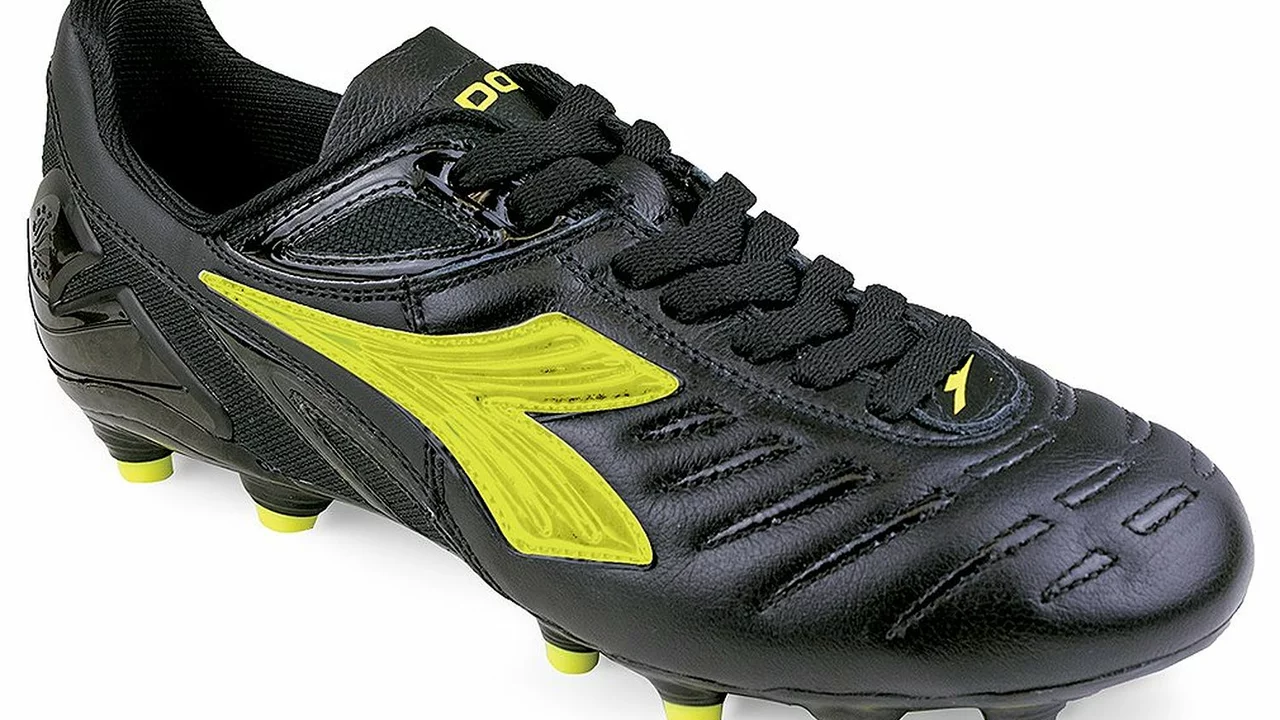
How to Stretch Soccer Cleats for a Perfect Fit
Got a new pair of cleats that feel tight? You don’t have to suffer through sore feet all season. A few easy tricks can loosen up the leather or synthetic material so the shoes hug your foot without cutting off circulation.
First, think about why you need to stretch. Tight toe boxes can cause blisters, while a snug mid‑foot area helps you stay stable when you sprint or change direction. If the cleats pinch, you’ll lose confidence on the pitch.
Why you should stretch your cleats
Most modern cleats are built to be lightweight, which means they use thinner uppers that conform quickly to your foot shape. However, even the best materials can feel stiff out of the box. Stretching helps the material settle, improves balance, and reduces the chance of hot spots after a few games.
Another win: a well‑stretched pair lasts longer. When the shoe fits naturally, the stress on seams and stitching is lower, so you won’t need to replace them after a few months.
Easy ways to stretch safely
1. Warm water soak. Fill a bucket with lukewarm water, submerge the cleat’s upper (avoid the sole), and let it sit for 5‑10 minutes. The heat relaxes fibers, making them more pliable. After soaking, slip the shoe on and walk around for a few minutes before it dries.
2. Wear thick socks. Put on a pair of heavy, crew‑length soccer socks, then lace the cleats tightly. Your feet will press against the inside, gently expanding the material as you walk around the house for 15‑20 minutes.
3. Use a shoe stretcher. Adjustable cleat stretchers are cheap and easy to find online. Insert the stretcher, turn the knob to apply pressure, and leave it overnight. You can target specific problem areas like the toe box or heel cup.
4. Freeze method. Fill a small zip‑lock bag with water, seal it, and place it inside the cleat’s toe area. Pop the shoe in the freezer for a few hours. As the water turns to ice, it expands and gently widens the material. Thaw before wearing.
5. Leather conditioner. For real leather cleats, a few drops of leather conditioner work wonders. Apply it evenly, let it soak for 10 minutes, then wear the shoes with thick socks to let the leather stretch.
Whatever method you choose, always test the fit before a big match. Walk around, make a few quick sprints, and check for any lingering pressure points. If it still feels tight, repeat the process—most players need two or three rounds to get it just right.
Remember, you don’t want to over‑stretch. If the shoe starts to feel loose around the ankle or heel, you’re probably past the sweet spot and might need to tighten the laces or use an insole for extra support.
Lastly, give the cleats some time to break in naturally. A couple of light training sessions will help the material adapt to your foot shape even more. Combine that with the stretching tips above, and you’ll have a comfortable, secure fit all season long.
Ready to put the pain‑free cleats on? Try one of the quick tricks today and feel the difference on the next game.