Footwear Adjustment Guide – Pick the Perfect Soccer Shoes
Want a shoe that feels like an extension of your foot? The right adjustments can turn an ordinary pair of soccer shoes into a performance boost. Below you’ll find practical steps to fine‑tune fit, choose the best type for the surface, and keep your cleats in top shape.
Get the Fit Right
Start by checking the length. When you stand straight, you should see about a thumb’s width between your longest toe and the shoe’s front. If the shoe is too long, tighten the laces from the bottom up. Use a “heel lock” – cross the laces at the top, loop them around the eyelets, and pull tight. This stops heel slippage and gives a snug feel without cutting off circulation.
Next, look at the width. If the shoe pinches the sides, try loosening the lower eyelets and re‑tightening the upper ones. Some players add a thin sock or gel insert to fill gaps. The goal is a firm, but not painful, hold that lets you sprint, cut and tackle comfortably.
Match Shoes to the Surface
Indoor soccer often uses smooth, low‑traction floors. Running shoes can work because they provide extra cushioning, but they wear faster and don’t give the quick‑turn response you need. Dedicated indoor soccer shoes have flat, rubber soles that grip without leaving marks. If you play both indoor and outdoor, consider a hybrid with a slightly grippy outsole and enough support for grass.
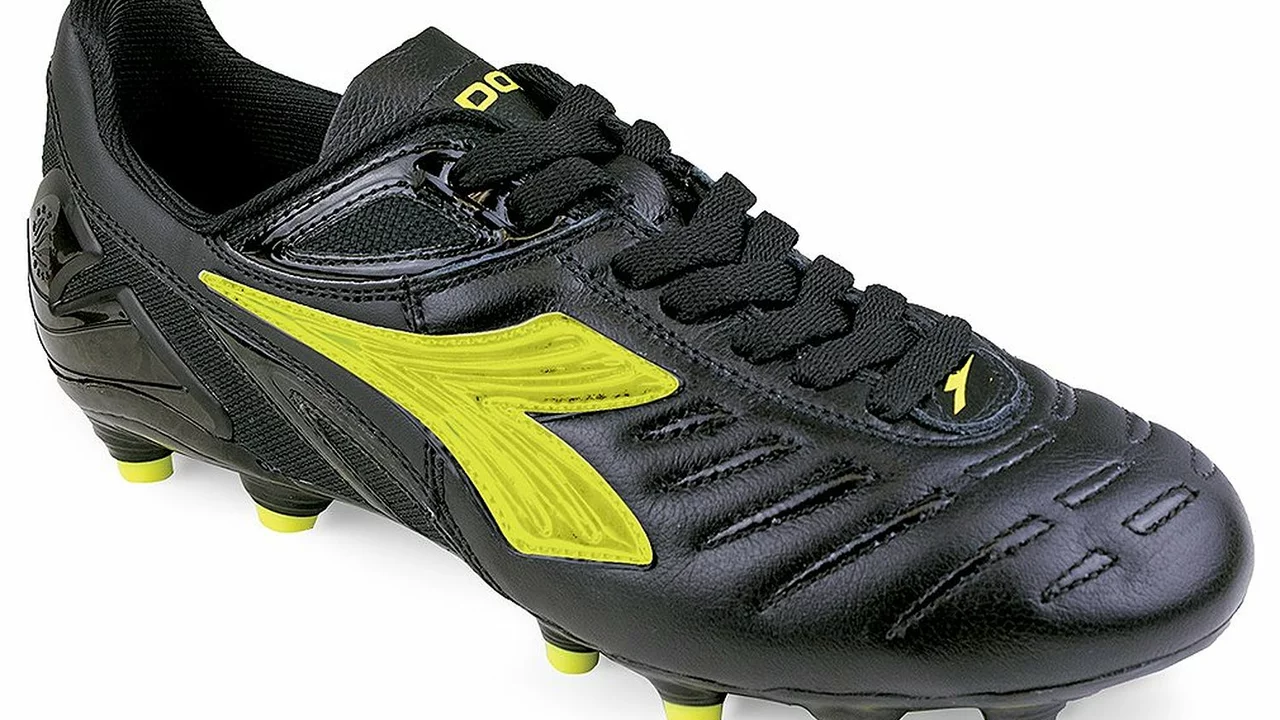
When the weather turns rainy, leather cleats like kangaroo leather look slick but can swell. After a wet match, dry them gently with a towel and let them air‑dry away from direct heat. If you expect heavy rain frequently, switch to synthetic cleats that repel water and keep the foot dry.
For grass fields, choose cleats that match the ground’s firmness. Soft ground (muddy) needs longer, spaced‑out studs; firm ground works best with shorter, evenly spaced studs. Make sure the studs are screwed in tightly – loose studs can slip and cause injury.
Finally, keep your shoes clean. Brush off soil after each game, wipe the interior with a damp cloth, and let them dry completely before storing. A quick spray of leather conditioner on premium leather cleats preserves softness and prevents cracking.
By tweaking lacing, checking fit, and picking the right shoe for the pitch, you’ll feel more confident and avoid common foot problems. Give these adjustments a try before your next match and notice the difference instantly.