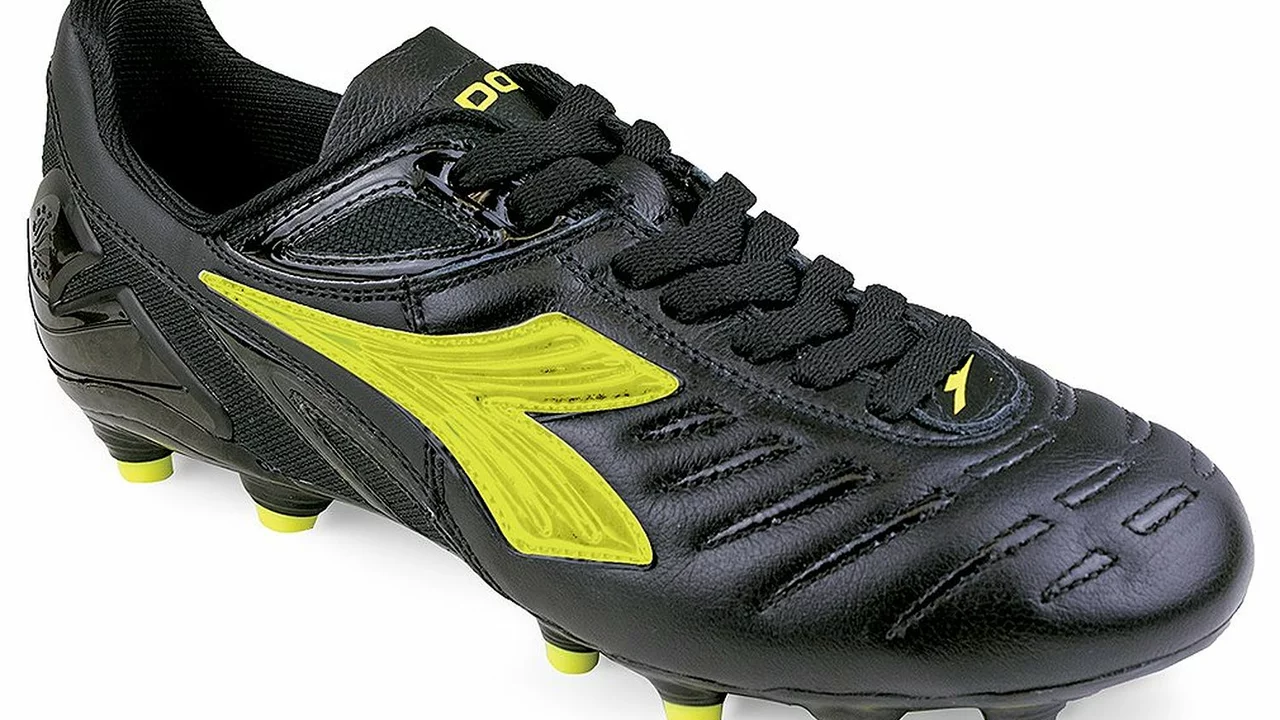
Cleat Comfort: Simple Ways to Play Without Foot Pain
If your feet hurt after a match, chances are your cleats aren’t working for you. Comfort starts with the right fit, the right material, and a few maintenance habits. Below you’ll find easy steps you can follow to make every pair of cleats feel like they were made for your feet.
Find the Perfect Fit
First thing’s first: a cleat that’s too tight will pinch, a cleat that’s too loose will slide. When you try on a new pair, lace them up fully and stand on a flat surface. You should feel a snug hug around the ball of your foot, but you still need a thumb’s width of space behind your toes. If you’re between sizes, go up a half‑size and use a tighter lacing pattern.
Don’t forget about width. Some brands offer narrow, regular, and wide options. If the sides feel pinched, switch to a wider model. Remember, you’ll probably wear thicker socks for colder games, so factor that in when you size up.
Material Matters
Most modern cleats use either kangaroo leather, synthetic leather, or a mesh‑type material. Kangaroo leather is soft and molds to your foot quickly, but it can swell if you play in heavy rain, as noted in our article about rain‑soaked kangaroo leather cleats. If you often face wet conditions, consider a high‑quality synthetic that repels water and stays light.
Mesh uppers provide great breathability and keep feet cool during hot matches. However, they can feel a bit scratchy at first. A short break‑in period—run around your yard or do a few short drills—will soften the material without sacrificing support.
Insider tip: add a thin, moisture‑wicking insole if you tend to get sweaty feet. It adds a layer of cushion and helps keep the interior dry.
Break‑In Without the Pain
You might be tempted to wear brand‑new cleats straight into a big game. That rarely ends well. Instead, wear them for a few light training sessions. Walk around your house, do some cone drills, and gradually increase the intensity. This lets the upper stretch gently and the sole adapt to your gait.
If you notice a specific spot rubbing, apply a little leather conditioner or use a sports‑grade anti‑blister stick. Both soften the material and reduce friction.
Weather‑Specific Adjustments
Rain, mud, or snow each demand a tweak. In heavy rain, avoid leather that swells unless you’ve pre‑conditioned it. Synthetic cleats or those with water‑resistant coatings stay light and maintain traction. For indoor soccer, some players wonder if running shoes are okay. They give extra cushioning but lack the quick‑turn support that indoor cleats provide, so use them only for casual play.
Cold weather can make the soles feel stiff. Keep your cleats in a warm spot before you play, or use a shoe dryer after each use to prevent the material from hardening.
Maintenance for Ongoing Comfort
After every match, brush off mud and let the cleats air dry naturally. Never put them near a heater; rapid drying can crack the material. Store them in a breathable shoe bag, not a sealed plastic box.
Check the studs regularly. Worn studs can change your balance and cause extra strain on your feet. Replace them as soon as you notice a loss of grip.
Finally, rotate between two pairs if you train frequently. Giving each pair a day off lets the material recover its shape, which extends comfort over the season.
By focusing on fit, material choice, proper break‑in, weather tweaks, and regular care, you can enjoy every minute on the pitch without foot pain. Your cleats should feel like a second skin, not a source of agony.