Sports Equipment Maintenance for Football Players
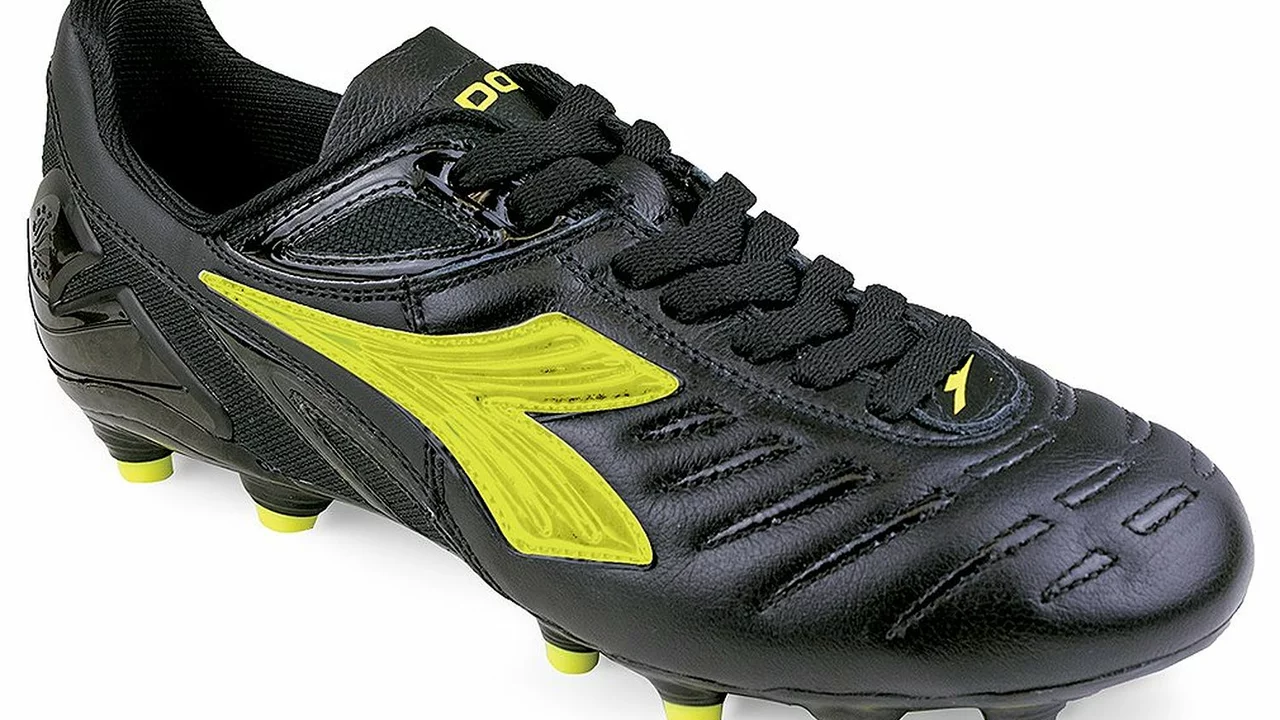
Your gear works just as hard as you do on the pitch, so keeping it in good shape matters. A well‑maintained pair of cleats can mean the difference between a clean sprint and a painful stub. Below you’ll find straight‑forward tips you can start using today, whether you’re dealing with tight shoes or soggy weather.
Stretching Tight Soccer Cleats
First off, those new cleats that feel a bit snug can be softened without a painful break‑in. Start by putting a shoe stretcher in the toe box; leave it overnight and you’ll notice a subtle give. If you don’t have a stretcher, try the damp method: lightly spray the inside of the cleat, slip on a thick sock, and walk around the house for a few minutes. The moisture relaxes the leather, and the pressure from your foot helps shape it.
Heat is another ally. Warm the interior of the cleat with a hair dryer for 30 seconds, then immediately put on a thick sock and walk around. The heat makes the material more pliable, and the sock prevents burns while you move. For a quick fix before a match, use a commercial shoe‑stretching spray. Spray, slip the shoe on, and flex your foot a few times. You’ll get enough stretch to stay comfortable without compromising support.
Protecting Your Cleats in Wet Weather
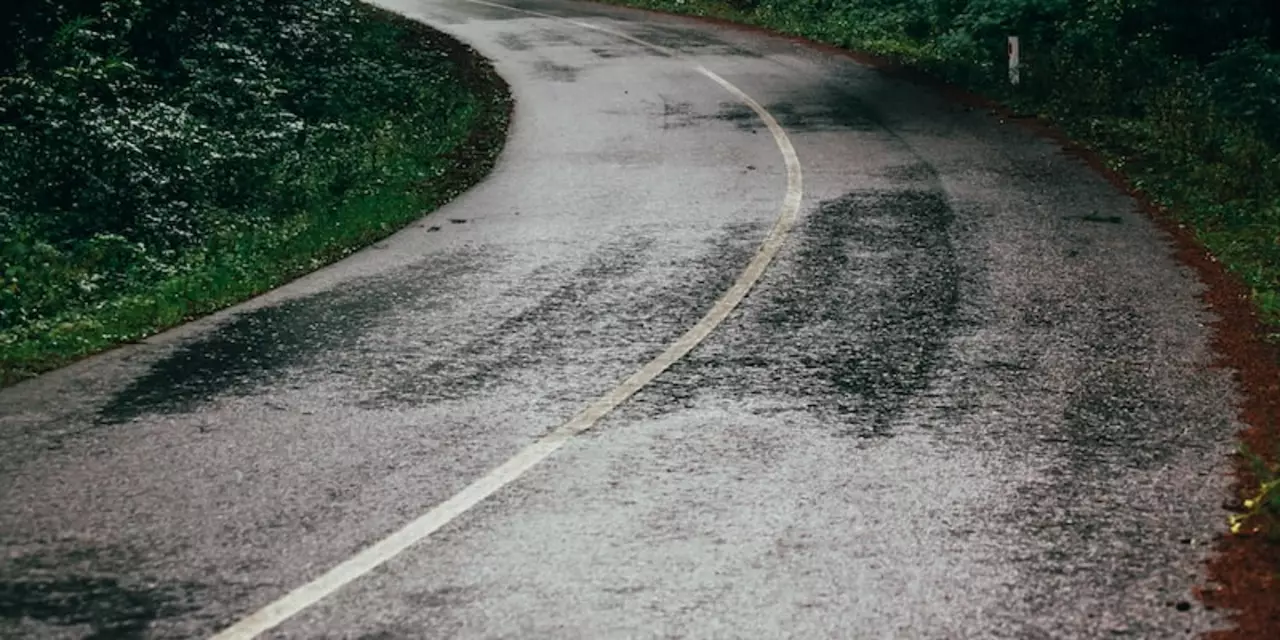
Playing in heavy rain can be tough on premium leather, especially kangaroo leather cleats. Water makes the leather swell, which can lead to a looser fit and reduced control. After a rainy game, wipe the surface with a dry cloth, then let the shoes air‑dry at room temperature—avoid direct heat which can crack the leather.
If you know the forecast calls for downpours, consider applying a light leather conditioner before you head out. The conditioner creates a barrier that slows water absorption, keeping the leather more stable. For especially wet matches, a synthetic cleat can be a smarter choice; it sheds water more easily and still offers good traction.
Lastly, store your cleats properly. Keep them in a breathable bag rather than a plastic box, and slip in a few newspaper sheets to absorb moisture. A dry pair will stay firm and last longer, saving you money in the long run.
Putting these simple steps into your routine can extend the life of your football gear and keep you playing at your best. No need for expensive tools or complex processes—just a little time, a few household items, and attention to detail. Your feet will thank you, and your cleats will stay ready for every match, rain or shine.